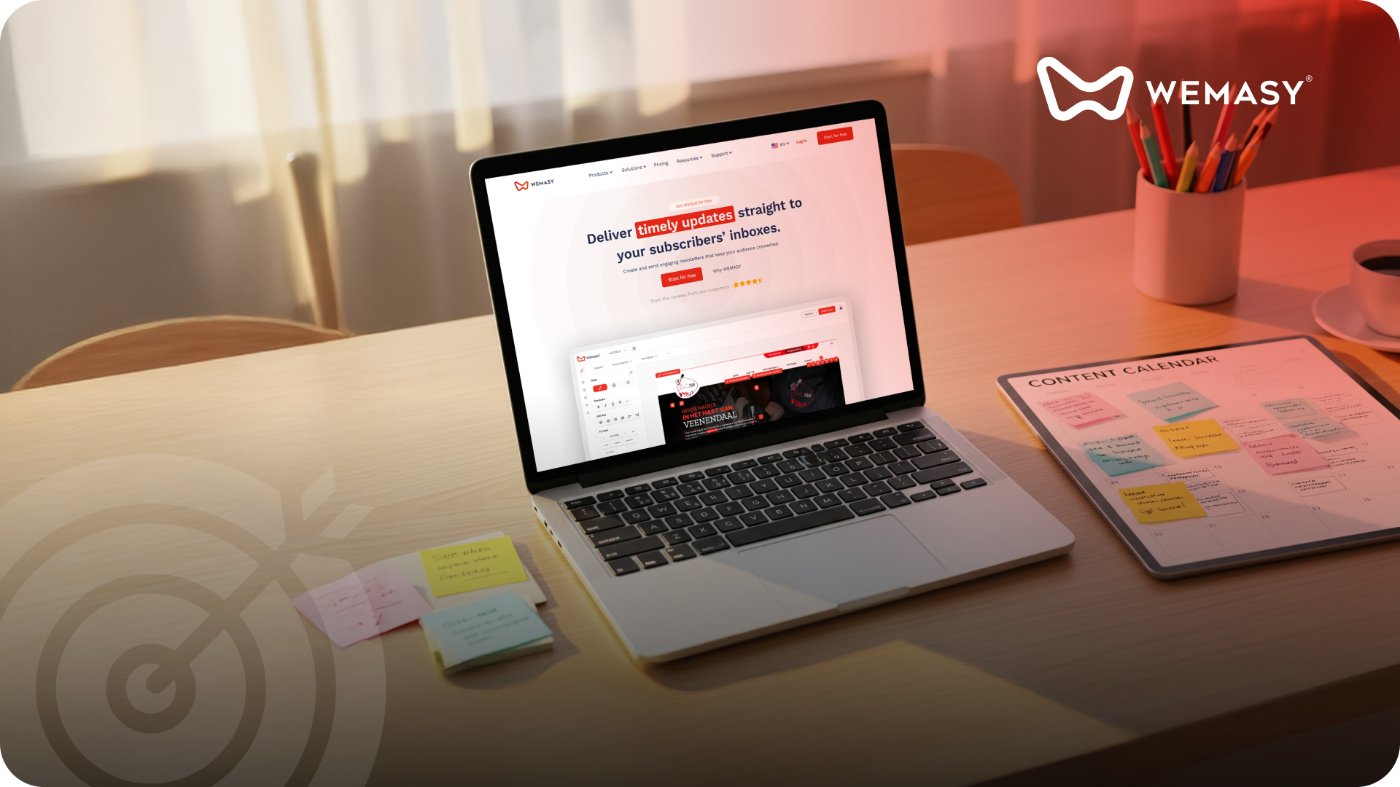
Why newsletter content planning matters
Newsletter content planning is essential because it helps you stay organized, consistent, and relevant to your audience. When you do not have a clear plan, your newsletters become random, unfocused, or repetitive, which may lead to losing your subscribers’ interest.
Here is why you need to plan your content
Your communication becomes consistent across all the newsletters. This makes your brand familiar to the audience with every newsletter.
You will be aware of what you are communicating, so there is no last-minute panic and thoughtlessness in adding what needs to be communicated.
A well-planned content for your newsletter aligns with your brand and reader-engagement goals.
A well-researched content plan helps you understand and answer what your audience needs.
A plan helps you align your newsletters with seasons, events, or industry moments, making your content timely and relevant.
How to plan newsletter content step by step
Step 1: Understand your audience before planning the newsletter
Knowing your audience and their needs is the base of your newsletter content strategy. Without understanding who you are writing for, even the best content can miss the mark. Here is how to get to know your readers better.
Check the data you have: Put the data you have about your target audience into action before you plan the content for your newsletter. In case you have existing subscriber data, it will show real behavior—what content they open and click tells you what interests them. This insight helps avoid guesswork and focus on what works.
Ask them directly: Sometimes the best way to know what your audience wants is to just ask. Surveys and polls give clear guidance on their preferences, helping you create content they actually look forward to.
Segment your audience: No matter how large or small your audience is, every subscriber comes with needs or interests. Segmenting lets you send targeted newsletters that feel personal and relevant, improving engagement and reducing unsubscribes.
Build audience personas: Personas turn raw data into relatable profiles, helping you visualize who you’re writing for. This makes your content more focused and meaningful.
Monitor their conversation: Keep track of social media platforms and forums your audience is actively engaged on. Pay close attention to what they feel, say, and do. Such conversations reveal their challenges and trending topics. This real-time insight keeps your content fresh and valuable.
Step 2: Define the goal of your newsletter
Before you create any content, ask yourself, “What do I want to achieve?” Your goals will shape everything you send. Here are some of the common objectives you need to keep in mind. It could be some of them or all of them.
Increasing website traffic: Drive readers to your site to explore products or services.
Boosting sales or sign-ups: Promote offers or encourage subscriptions with strong calls to action.
Building brand awareness: Share stories and updates to make your brand memorable.
Educating subscribers: Provide valuable tips, insights, or industry news.
Strengthening community and loyalty: Connect with your audience to foster long-term relationships.
Having measurable targets like improving open rates or click-through rates allows you to track your newsletter’s performance and make improvements. When your newsletter goals align with your broader business objectives, your content becomes a powerful marketing asset.
Step 3: Choose content themes and topics
Your newsletter content strategy needs to reflect your brand’s voice and what the user wants. Selecting the right themes and topics is essential to keep your newsletters engaging and relevant. Start by identifying broad themes that align with what your subscribers want to read. For example, your newsletter might focus on education, product updates, or storytelling.
Some of the common newsletter themes are
How-to guides and tutorials that help your audience solve problems
Industry news and trends that keep readers informed
Product announcements, updates, and exclusive offers
Customer stories and testimonials that build trust
Tips, best practices, and actionable advice to add value
Organize these topics into content buckets to ensure variety and consistency. This approach prevents your newsletters from feeling repetitive and keeps readers coming back for more.
Step 4: Choose the content format
Choosing the right format for your newsletter content helps keep it fresh and appealing. Different formats cater to different preferences, so mixing them up can increase engagement.
Some popular content formats to consider
Articles or blog summaries: Provide in-depth information or quick reads that link back to your website.
Videos or podcasts: Share interviews, tutorials, or behind-the-scenes clips for a more dynamic experience.
Infographics or images: Use visuals to explain concepts quickly or showcase data in an engaging way.
Quick tips or lists: Deliver bite-sized, actionable advice that’s easy to digest.
Q&A or interviews: Feature expert insights or answer common questions from your audience.
By varying formats, you keep your newsletters interesting and cater to different reader preferences, making your content more accessible and enjoyable.
Step 5: Build a newsletter editorial calendar
A newsletter editorial calendar helps you organize your newsletters and maintain consistency. With a calendar in place, you will have fresh, relevant content ready to send and aligned with important dates and events.
Consider the following while planning one
Frequency: Decide how often you’ll send newsletters—weekly, biweekly, or monthly.
Content distribution: Assign specific topics or themes to each newsletter to keep variety and balance.
Important dates: Mark holidays, product launches, or industry events to create timely, relevant content.
Deadlines: Set deadlines for content creation and review to avoid last-minute rushes.
Using a newsletter editorial calendar not only keeps your newsletters consistent but also helps you plan ahead and stay organized. This is the backbone of any serious newsletter planning guide.
Step 6: Include links and Call to Actions
Every newsletter should guide your readers toward a clear next step. Calls to action (CTAs) help turn interest into action by telling subscribers exactly what you want them to do.
To make CTAs work well, keep them simple, visible, and compelling. Use action-oriented language like “Shop Now,” “Register Today,” or “Get Your Free Guide.” The clearer your CTA, the more likely readers will take the desired action.
Great newsletters do not happen by chance. They require thoughtful newsletter content planning and smart execution. WEMASY’s newsletter feature lets you build, send, and track newsletters that your audience looks forward to reading every time.
For more on email marketing, read our blog on how to create a newsletter. You can also learn about newsletters for your brand. For the full picture, read our blog on how to build a website that supports your business goals.
Frequently asked questions
How far in advance should I plan my newsletter content?
Plan at least 2 to 4 weeks ahead. This gives you time to research topics, write content, and review before sending. A newsletter editorial calendar with a month of topics mapped out prevents last-minute scrambles and keeps your content quality consistent across every issue.
What is the ideal length for a newsletter?
Keep it between 200 and 500 words per section. Subscribers scan more than they read, so short paragraphs with clear headings work best. If you have more to say, link to a full blog post or landing page on your website. The goal is to deliver value quickly and give readers a reason to click through.
How do I choose the right topics for my newsletter?
Start with what your audience asks about most. Check your website analytics for popular pages, review customer support questions, and look at which past newsletters had the highest open rates. Rotate between educational content, product updates, and industry tips to keep variety without losing focus.
Should every newsletter include a call to action?
Yes. Every newsletter should guide the reader toward one clear next step. It does not always have to be a purchase. It can be reading a blog post, signing up for an event, or replying with feedback. One focused CTA performs better than multiple competing ones.
How do I measure if my newsletter content strategy is working?
Track open rates, click-through rates, and unsubscribe rates after each send. Open rates tell you if your subject lines work. Click-through rates show whether the content inside is compelling enough to drive action. A rising unsubscribe rate signals that your content is not matching what subscribers signed up for.
Can WEMASY help me send and track newsletters?
Yes. WEMASY’s built-in newsletter feature lets you create, schedule, and send newsletters from the same platform where you manage your website. You can track opens, clicks, and subscriber growth in your analytics dashboard. No need for a separate email marketing tool.